Blog
How data is powering modernization at Allegiance Mobile Health
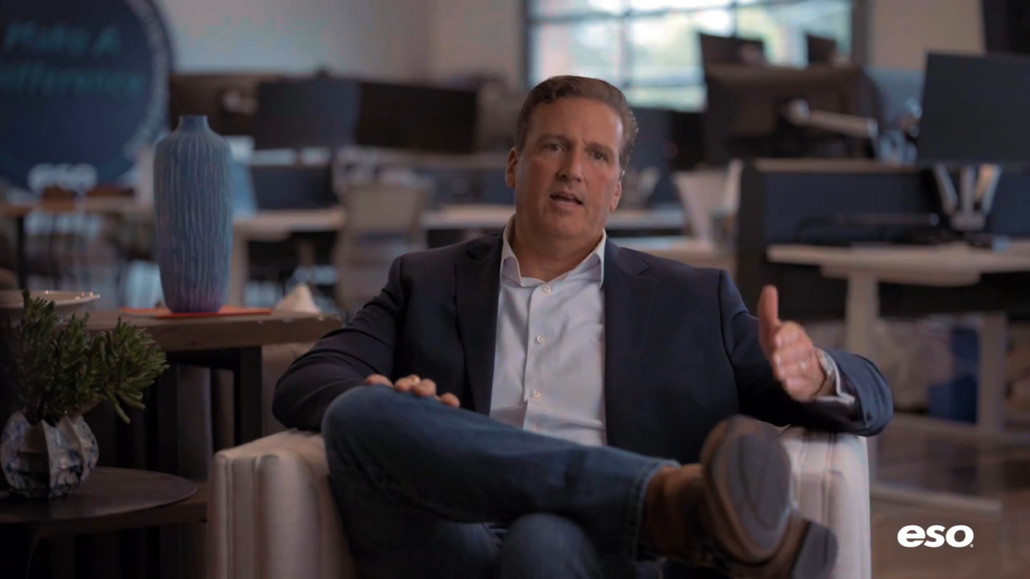
“If you are patient centric and you can do high acuity care and your patients are having wonderful outcomes, it actually helps the business, right? It allows those communities that want to engage us as a 911 provider or want to trust us to do some of the out of hospital work, they know we’re going to do a phenomenal job at that.”
– David Lee, Leader, Allegiance Mobile Health
Allegiance Mobile Health got its start by specializing in interfacility transport. In 2021, it took the leap into emergency medicine and has since become Texas’s largest private EMS service, responding to 200,000 calls a year.
In this new role, Allegiance is striving to not only provide patients with the best possible EMS care, but also to change how healthcare is delivered in the prehospital setting altogether.
When you set out to reimagine an entire industry, efficiency and advancement need to be forefront in every decision made, which is why modernization is one of the organization’s core values.
When Allegiance’s current CAD system was unable to keep up with its ambition, the team went in search of a new one – and found that and so much more, in The ESO Ecosystem
What makes the ESO Ecosystem stand out?
“In order to progress in the industry, you have to be modern. You have to constantly be showing that you are leading when it comes to not only patient care, but the data that you collect surrounding patient care.”
- Adam Baer, Clinical Quality Manager, Allegiance Mobile Health
For Allegiance, a full integrated suite meant eliminating the silos that slowed their teams down. Their tools now work together to streamline across the entire organization. Logis Dispatch by ESO get units assigned and en route faster. ESO EHR Auto-Generated Narratives cuts down on documentation, freeing up invaluable time for first responders. And the ESO app for iPad brings a patient’s full history bedside, in the field.
With their processes fully integrated, their team can now see the full picture in their data and make effective changes across the board. Since implementation in 2025, they have made progress on several KPIs that make a real difference to patient outcomes, including:
- Cutting 12-lead EKG acquisition time by nearly three minutes in cardiac care
- Increasing two sets of vital signs obtained on refusal patients from 25% to 50%
- Increasing end-tidal CO2 documentation on sepsis patients from 58% to nearly 90%
- Increasing three-vital-sign bundle documentation on the TBO1 patient population from 23% to 53%.
Watch the full video above to see how Allegiance Mobile Health is becoming a leader in evidence-based medicine with help from their ESO partnership.